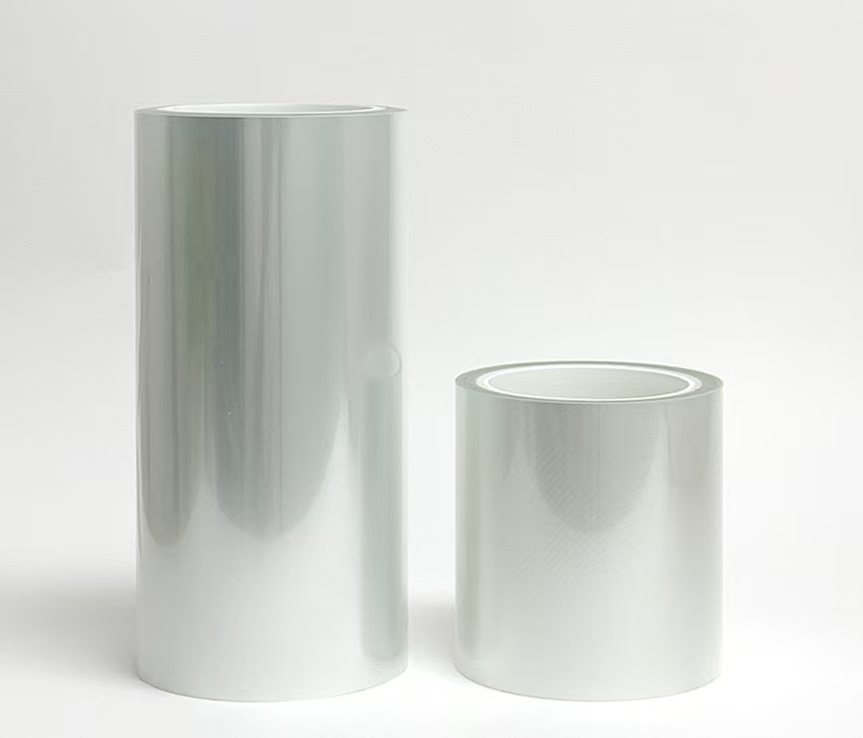
UL94 V-0 Flame Retardant PET: Meeting the Highest Standards in Fire Safety
In the flame retardant materials industry, UL94 is one of the most recognized and widely adopted standards for classifying the flammability of plastic materials. Among its various classifications, UL94 V-0 flame retardant PET represents one of the highest safety levels achievable, particularly in electronics, automotive, and high-performance industrial applications. This article explains what UL94 V-0 means, why it matters, and how PET films are engineered to meet this demanding classification.
1. What is UL94 V-0?
UL94 is a flammability testing standard developed by Underwriters Laboratories (UL) to evaluate how materials behave when exposed to flame. The “V” rating refers to vertical burn tests, with “V-0” indicating the most flame-resistant classification under this method.
To achieve UL94 V-0, a material must:
- Self-extinguish within 10 seconds after being exposed to a vertical flame
- Not drip flaming particles that could ignite cotton below
- Pass the test twice per specimen without sustaining burning or glowing beyond the limits
Achieving this classification with PET requires precise additive engineering and a focus on halogen-free flame retardant PET formulations.
2. Why UL94 V-0 Matters
UL94 V-0 compliance is often a mandatory requirement for materials used in:
- 🔌 Electrical insulation
- 🔋 Battery sleeves
- 🖥 Circuit board components
- 🚗 EV and automotive wire wrapping
- 🏢 Construction barrier films and insulation
UL certification provides assurance that a product meets global fire safety benchmarks, especially for consumer and industrial electronics exported worldwide.
3. Engineering PET to Meet UL94 V-0
PET is inherently flammable in its raw form. To reach UL94 V-0 performance, PET film must be treated with carefully selected flame retardants. These include:
- Phosphorus-based flame retardants
- Nitrogen synergists
- Reactive systems (covalently bonded into the polymer chain)
Such systems must also comply with RoHS and REACH, meaning PET manufacturers often turn to:
- RoHS compliant flame retardants
- REACH certified flame retardant additives
- Halogen-free flame retardant PET solutions
This ensures both fire safety and environmental compliance.
4. Testing Protocols for UL94 V-0 Certification
The vertical burn test simulates real-world flame exposure and includes:
- Mounting the PET sample vertically
- Applying a 20 mm flame for 10 seconds
- Measuring afterflame time, afterglow, and drip ignition
For V-0 classification, the total flaming time for all 5 test specimens must not exceed 50 seconds, and no specimen may drip flaming particles.
Additional tests often accompany UL94, such as:
- Glow wire ignition (GWI)
- Limiting Oxygen Index (LOI)
- Cone calorimetry
All ensure that UL94 V-0 flame retardant PET performs safely under real use conditions.
5. Markets Driving UL94 V-0 Compliance
| Industry | Use Case | Why V-0? |
|---|
| Consumer Electronics | Battery wraps, cable insulation | Prevent internal fires |
| EV/Automotive | Wire harness films | Meets global car fire codes |
| Medical Devices | Diagnostic equipment housings | Ensures non-toxicity in flames |
| Construction | Insulation facing | Complies with green building codes |
| Industrial Machinery | Control panel PET film | High heat + electrical exposure |
These industries also demand REACH certified flame retardant and halogen-free solutions, making UL94 V-0 flame retardant PET a cornerstone of compliance.
Conclusion
UL94 V-0 certification is more than a label—it's a benchmark of safety, quality, and engineering excellence. Achieving it in PET films requires a careful balance of chemistry, processing, and regulatory awareness.
By combining UL94 V-0 flame retardant PET with RoHS compliant, REACH certified, and halogen-free systems, manufacturers can meet the highest standards of both performance and responsibility.
READ MORE:


