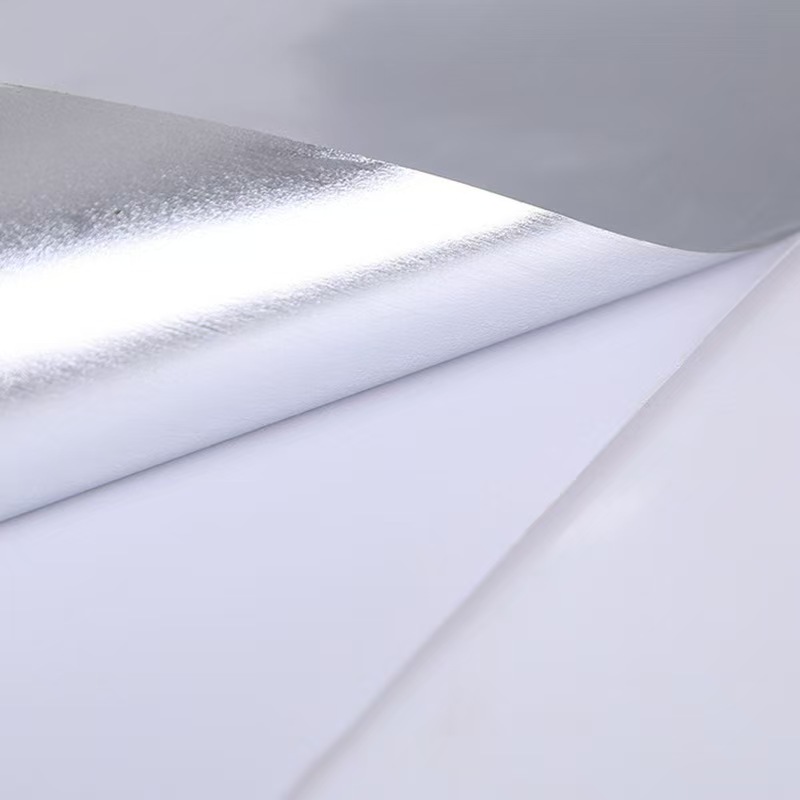
Halogen-Free Flame Retardant PET: A Safer, Greener Alternative for High-Performance Applications
As industries worldwide move toward sustainability, halogen-free materials are gaining significant momentum. In the flame retardant PET (polyethylene terephthalate) segment, the push to replace traditional brominated systems with halogen-free flame retardant PET is no longer a niche trend—it's an industry imperative. This article explores why halogen-free PET is essential, how it performs, and where it offers the most value across applications and industries.
1. What Does “Halogen-Free” Mean?
Halogens include elements like chlorine, bromine, and fluorine, often used in flame retardants for their effectiveness. However, during combustion, they can release:
- Toxic gases (e.g., hydrogen bromide, dioxins)
- Corrosive byproducts
- Dense, obscuring smoke
Halogen-free flame retardant PET avoids these risks by relying on phosphorus, nitrogen, and mineral-based systems that suppress flames without producing hazardous emissions.
2. Why the Industry Is Moving to Halogen-Free Solutions
Several converging forces are behind this shift:
- Environmental Regulations: RoHS and REACH restrict or ban many halogenated substances, pushing manufacturers toward RoHS compliant flame retardants and REACH certified flame retardant systems.
- Health and Safety: Halogen-free solutions emit fewer toxic gases and particulates.
- Improved Processing Stability: Many halogen-free systems are more thermally stable, benefiting UL94 V-0 flame retardant PET production lines.
3. Performance Characteristics of Halogen-Free Flame Retardant PET
Modern formulations of halogen-free flame retardant PET can match or exceed the performance of halogenated systems in areas such as:
- Flame Resistance: V-0 classification under UL94
- Clarity: Especially important in packaging films
- Electrical Properties: Critical for insulation and electronic devices
- Thermal Stability: Withstands PET processing temps (250–280°C)
For example, many phosphorus-based compounds not only achieve UL94 V-0 flame retardant PET ratings but also allow for high-quality extrusion and thermoforming.
4. Key Applications of Halogen-Free Flame Retardant PET
| Industry | Application | Why Halogen-Free? |
|---|
| Electronics | Insulation films, battery wraps | RoHS & REACH compliance, low toxicity |
| Automotive | Wire harnesses, EV battery insulation | Heat resistance, low smoke |
| Packaging | Industrial chemical labels, fire-safe pouches | Clarity, consumer safety |
| Construction | Vapor barriers, insulation film | Fire safety, sustainability credentials |
5. Common Flame Retardant Chemistries Used
- Ammonium polyphosphate (APP)
- Aluminum diethyl phosphinate (AlPi)
- Melamine polyphosphate (MPP)
- Nitrogen-phosphorus synergists
These allow manufacturers to achieve both RoHS compliant flame retardants status and high flame performance with reduced health and environmental risks.
Conclusion
As global industries continue to prioritize health, environmental responsibility, and regulatory compliance, the use of halogen-free flame retardant PET is set to dominate. Whether you're aiming to meet RoHS and REACH requirements or achieve UL94 V-0 ratings, halogen-free PET is the safest, smartest path forward.
It’s not just about compliance—halogen-free is the future of high-performance, sustainable flame retardant design.
READ MORE:


