Are Halogen-Free Flame Retardants Replacing Traditional Options?
As environmental and health concerns rise, the flame retardant industry is undergoing a significant transformation. The halogen-free flame retardant trend is gaining momentum, especially in applications involving PET (polyethylene terephthalate), where fire safety, recyclability, and sustainability must align. This article examines how eco-friendly flame retardant for PET options are challenging legacy solutions, and whether non-halogen flame retardant additive systems will dominate the future.
1. What Are Halogenated vs. Halogen-Free Flame Retardants?
Traditional flame retardants often contain halogens (bromine, chlorine) which work by releasing reactive species during combustion that inhibit flame propagation. However, they also release toxic gases and persistent pollutants. In contrast, non-halogen flame retardant additive systems, such as phosphorus, nitrogen, mineral, and intumescent technologies, aim to reduce smoke, toxicity, and environmental impact.
2. Why Halogen-Free Flame Retardants Are Trending
The halogen-free flame retardant trend is driven by:
- Regulatory pressure: Bans and restrictions on brominated/chlorinated compounds in EU (RoHS), US, and Asia
- Recyclability: Halogenated additives contaminate recycling streams, while halogen-free options support circularity
- Green branding: Industries seek safer alternatives for eco-label certifications
- Worker safety: Reduced toxic exposure during manufacturing and disposal
This shift is especially pronounced in PET, where clean material loops and food-contact compliance are crucial.
3. Performance Comparison: Halogen-Free vs. Traditional
Adopting an eco-friendly flame retardant for PET often involves trade-offs in terms of:
- Processing stability: Some halogen-free additives degrade at PET's high melt temperature (250–280°C)
- Flame retardancy level: Higher loading may be required to match halogenated performance
- Clarity and mechanical strength: Risk of haze or brittleness in thin films
However, advances in non-halogen flame retardant additive systems are closing these gaps through reactive chemistry, nano-fillers, and synergistic blends.
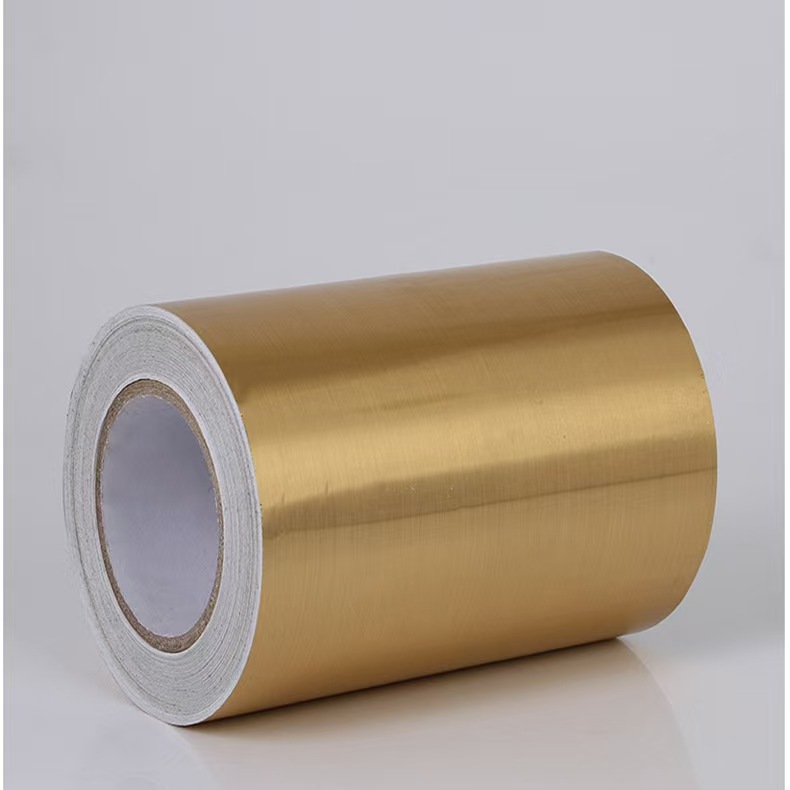
4. The Rise of Green Flame Retardant PET Film
Green flame retardant PET film is emerging as a viable alternative in electronics insulation, label stock, and industrial tapes. Characteristics include:
- Compliance with UL94 V-0, REACH, and RoHS
- Low smoke and toxic gas emission
- Support for mono-material recycling
- Halogen-, antimony-, and heavy-metal-free formulations
These films are increasingly adopted in EV batteries, power systems, and consumer electronics due to their dual safety and sustainability credentials.
5. Market Outlook: Will Halogen-Free Dominate?
The halogen-free flame retardant trend is expected to continue growing, supported by:
- Government policies targeting toxic chemical reduction
- Corporate ESG mandates and green procurement standards
- Improved technical performance of halogen-free solutions
- OEM pressure to eliminate halogenated substances from supply chains
While halogenated systems still dominate in some high-performance niches, halogen-free technologies are fast catching up—especially in PET-based applications.
Conclusion
Environmental, regulatory, and market forces are accelerating the transition from halogenated to green flame retardant PET film solutions. Though challenges remain, especially in matching performance and processing behavior, the direction is clear. The industry must continue to innovate eco-friendly flame retardant for PET solutions that balance fire safety with environmental responsibility. Ultimately, the rise of non-halogen flame retardant additive technologies signals a fundamental shift in how we define fire-safe materials for a sustainable future.
SEO Tags:
- halogen-free flame retardant trend
- eco-friendly flame retardant for PET
- non-halogen flame retardant additive
- green flame retardant PET film
- halogen-free PET additives
- low-toxicity flame retardant PET
- phosphorus-based flame retardant PET
- RoHS flame retardant PET
- REACH compliant flame retardants
- UL94 V-0 halogen-free PET
- bio-based flame retardants
- antimony-free flame retardant PET
- flame retardant PET for EV batteries
- halogen-free PET films for electronics
- industrial PET insulation films
- non-toxic PET additives
- flame retardant PET packaging
- recyclable flame retardant materials
- circular economy PET solutions
- flame retardant innovation PET
- halogen-free trend in Asia
- green chemistry flame retardants
- environmentally safe fire protection
- flame retardant PET tapes
- transparent flame retardant PET film
- high performance halogen-free FR
- halogen-free coatings for PET
- sustainable flame retardants
- next-gen PET flame retardants
- halogen-free masterbatch
- durable halogen-free flame retardants
- halogen-free solutions for packaging
- green building materials PET
- environmental compliance PET
- eco PET film applications
- halogen-free extrusion PET
- petrochemical free flame retardants
- renewable flame retardant PET
- clean tech fire protection
READ MORE:
Telephone: 008613530419893
E-mail:marie@selfadhesivefilm.com
ADDRESS (Shenzhen):903-286, Building A2, Guangming Technology Park, China Merchants Group, Guanguang Road, Fenghuang Community, Fenghuang Street, Guangming District, Shenzhen, Guangdong.
ADDRESS (Dongguan): 3rd Building No.45 Yinhu Road Shishuikou Community,Qiaotou Town, Dongguan, Guangdong.


