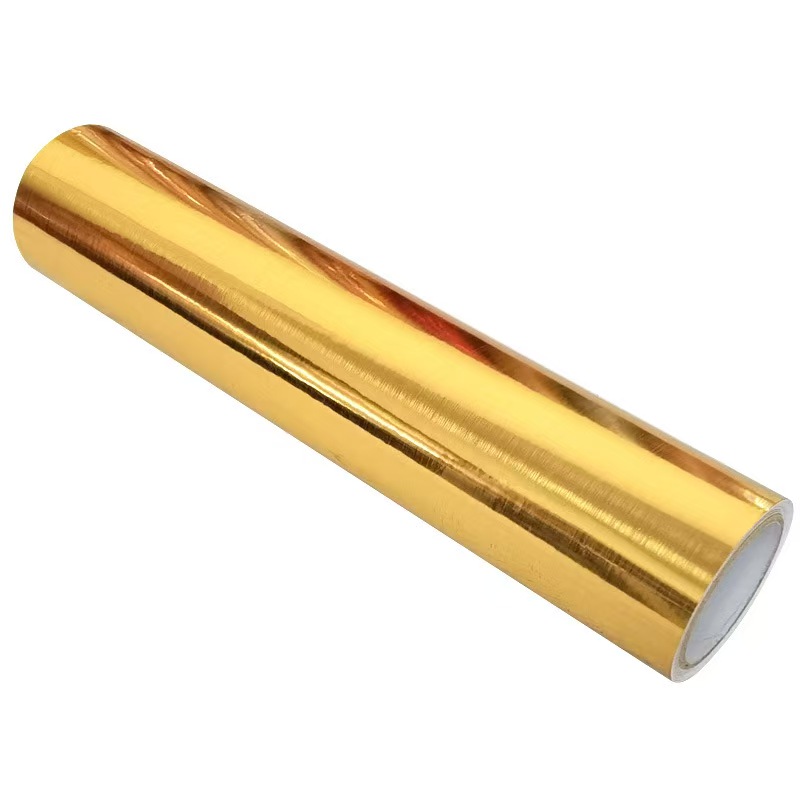
Environmental Impact of Green Flame Retardant PET Film
As the halogen-free flame retardant trend grows stronger, the conversation is shifting from just fire safety to overall environmental impact. PET manufacturers and end-users are prioritizing eco-friendly flame retardant for PET solutions that not only meet flame retardant requirements but also align with global sustainability goals. This article assesses how green flame retardant PET film can reduce ecological footprints while maintaining industrial performance.
1. Reducing Toxic Emissions During Combustion
Halogenated flame retardants often release dioxins, furans, and corrosive gases like hydrogen bromide when burned. These byproducts are harmful to both people and the environment. In contrast, non-halogen flame retardant additive systems:
- Produce significantly lower levels of toxic gas
- Reduce smoke opacity
- Limit secondary combustion reactions
This not only protects end-users in case of fire but also reduces emissions in incineration or accidental burn scenarios.
2. Improved Recyclability of PET Waste
PET is widely recycled, but halogenated additives often contaminate recycling streams. Benefits of green flame retardant PET film include:
- Fewer restrictions in mechanical recycling systems
- Lower risk of toxic residue in recycled pellets
- Support for closed-loop PET recovery models
Thus, eco-friendly flame retardant for PET contributes to circular economy frameworks.
3. Safer for Manufacturing Personnel
Exposure to halogenated powders or fumes during processing poses occupational health risks. Switching to non-halogen flame retardant additive technologies leads to:
- Reduced need for fume extraction systems
- Fewer skin and respiratory irritants
- Improved workplace air quality
This translates to better compliance with worker safety standards like OSHA, ISO 45001, and local environmental health guidelines.
4. Alignment with Green Certifications
Many end-products using PET—like electronics, textiles, and labels—seek certifications such as:
- Blue Angel (Germany)
- EcoLabel (EU)
- GreenScreen or Cradle-to-Cradle (USA)
These programs often discourage or prohibit halogen-based materials. Adoption of eco-friendly flame retardant for PET aids in achieving these credentials.
5. Lifecycle Analysis: A Holistic View
When evaluated over the full lifecycle—from raw material sourcing to end-of-life—halogen-free flame retardant trend technologies typically show:
- Lower carbon footprint per kg of additive
- Fewer toxic intermediates in production
- Improved biodegradability or inert waste output
This aligns with the UN SDGs (Sustainable Development Goals), especially SDG 12 (Responsible Consumption & Production).
Conclusion
Green chemistry is no longer optional—it’s a mandate for PET converters. Choosing green flame retardant PET film not only ensures compliance but drives brand value, consumer trust, and market access. The sustainability case for non-halogen flame retardant additive systems is now supported by robust data and real-world success. As such, the halogen-free flame retardant trend is paving the way for a safer, cleaner, and more resilient PET manufacturing ecosystem.
Tags:
- halogen-free flame retardant trend
- eco-friendly flame retardant for PET
- non-halogen flame retardant additive
- green flame retardant PET film
READ MORE:


