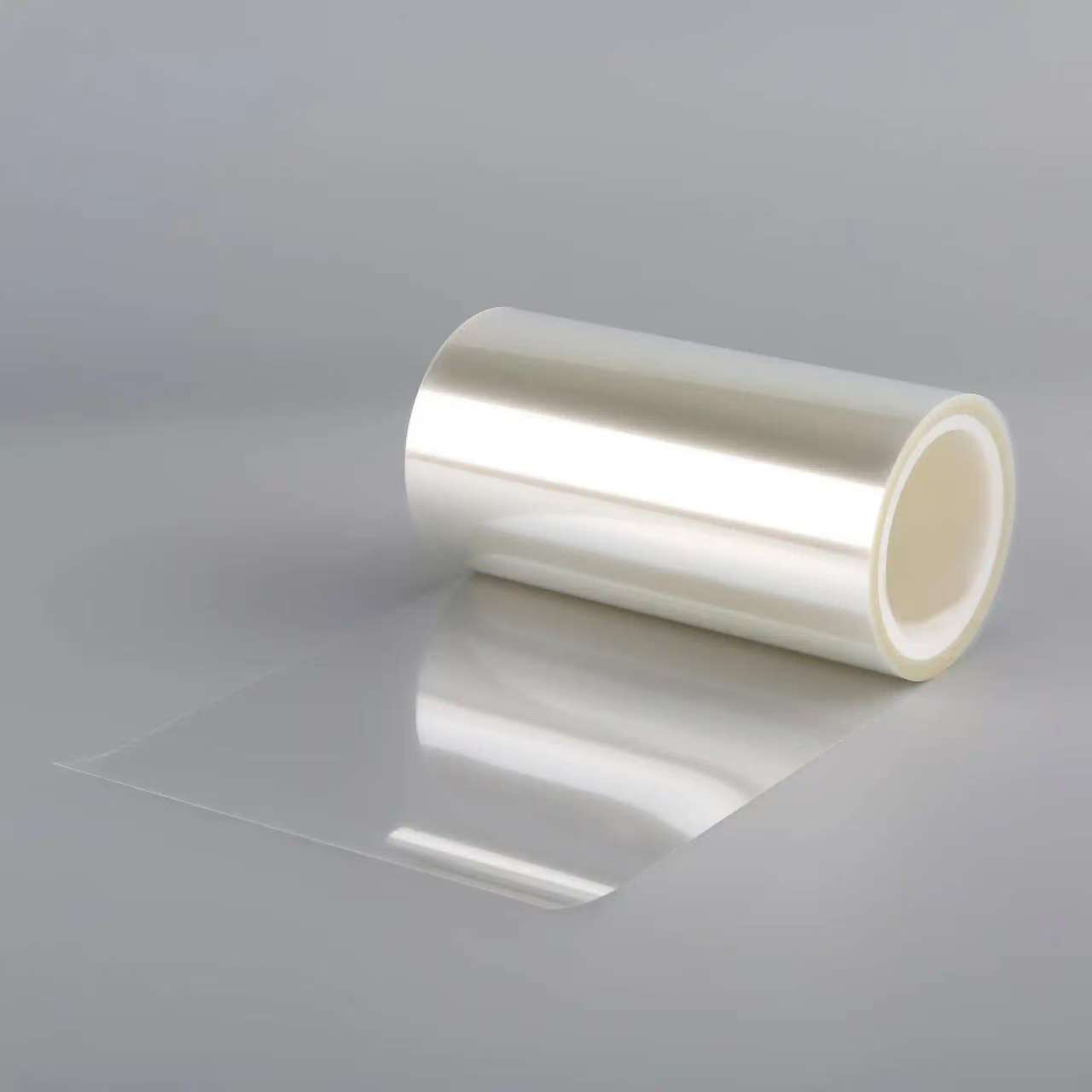
Selecting the Right Flame Retardant for PET Extrusion: Balancing Process and Performance
The process of PET extrusion is highly sensitive to material behavior at elevated temperatures. When flame retardants are introduced into the mix, they must not only meet flammability standards but also be compatible with the extrusion process itself. This article explores the technical interplay between PET extrusion with flame retardant, process stability, and long-term product performance, helping manufacturers navigate the path to fire-safe, process-efficient PET production.
1. PET Extrusion: A Quick Recap
PET extrusion involves melting PET resin and forcing it through a die to form film, sheet, or profiles. This process operates at high temperatures (250–280°C) and demands:
- Uniform melt flow
- Dimensional stability
- Optical clarity (for packaging applications)
- Consistent crystallization
Any additive, including flame retardants, must integrate seamlessly into this system.
2. Role of Melt Processing PET Flame Retardants
Melt processing PET flame retardants are specially engineered to maintain chemical stability during high-temperature extrusion. They must:
- Avoid premature decomposition or smoke generation
- Disperse evenly in the PET melt
- Preserve PET’s mechanical strength and appearance
Phosphorus-based and nitrogen synergist flame retardants are often favored due to their thermal tolerance and low toxicity.
3. Challenges in PET Extrusion with Flame Retardant
Despite their benefits, flame retardants can complicate the PET extrusion process:
| Issue | Description |
|---|
| Melt viscosity shift | Some flame retardants increase viscosity, requiring adjustment to screw speed and temperature profile |
| Color shift | Thermal degradation can cause yellowing, especially with antimony-containing systems |
| Poor dispersion | Incomplete dispersion leads to weak spots, compromising tensile strength and flame resistance |
| Dusting and feeding issues | Fine powders may not feed consistently in gravimetric dosing systems |
These issues can impact product consistency and throughput unless flame retardant process compatibility is tested beforehand.
4. Designing Flame Retardant Systems for PET Extrusion
When developing PET extrusion with flame retardant, manufacturers should consider:
- Masterbatch format: Encapsulating flame retardant in PET-compatible carrier resin
- Co-rotating twin screw extrusion: For improved dispersion
- Drying protocols: Since PET is hygroscopic, moisture must be removed to prevent hydrolysis and degradation
Additionally, flame retardant process compatibility must be validated via pilot-scale trials before full production.
5. Best Practices for Process Optimization
To maintain product quality and process reliability:
- Use melt processing PET flame retardants with documented extrusion trials
- Monitor IV (intrinsic viscosity) to ensure PET molecular weight remains stable
- Adjust die pressure and chill roll temperatures based on additive rheology
- Evaluate film properties: flame resistance, tear strength, and optical clarity
These steps help ensure that the selected PET flame retardant for coating or extrusion performs as intended without compromising process efficiency.
Conclusion
Fire-safe PET film and sheet production depends not only on the flame retardant’s chemistry but also its compatibility with the extrusion process. By choosing melt processing PET flame retardants and validating their behavior during production, manufacturers can confidently deliver materials that meet regulatory and performance standards—without sacrificing productivity or product quality.
SEO Tags:
- PET extrusion with flame retardant
- melt processing PET flame retardants
- flame retardant process compatibility
- PET flame retardant for coating
READ MORE:


